Affiliate marketers must understand and implement the latest FTC guidelines for 2026 to ensure transparency, ethical promotion, and avoid potential legal repercussions, safeguarding their business future.
Por: Maria Eduarda em 13 de abril de 2026
Última atualização em: 13 de maio de 2026
Advertisements
Affiliate marketers must understand and implement the latest FTC guidelines for 2026 to ensure transparency, ethical promotion, and avoid potential legal repercussions, safeguarding their business future.
Are you an affiliate marketer looking to ensure your practices are up-to-date and compliant? Navigating the Latest FTC Guidelines for Affiliate Marketers in 2026: A Practical Compliance Guide
is essential for staying ahead in a constantly evolving regulatory landscape. The Federal Trade Commission (FTC) continues to refine its rules, making it crucial for every marketer to understand and adapt.
Advertisements
Understanding the Evolving FTC Landscape for Affiliate Marketing
The digital marketing sphere is dynamic, and with its rapid evolution comes the need for updated regulatory frameworks. The FTC’s role is to protect consumers from deceptive or unfair practices, and this extends directly to affiliate marketing. Understanding these guidelines isn’t just about avoiding penalties; it’s about building trust and credibility with your audience.
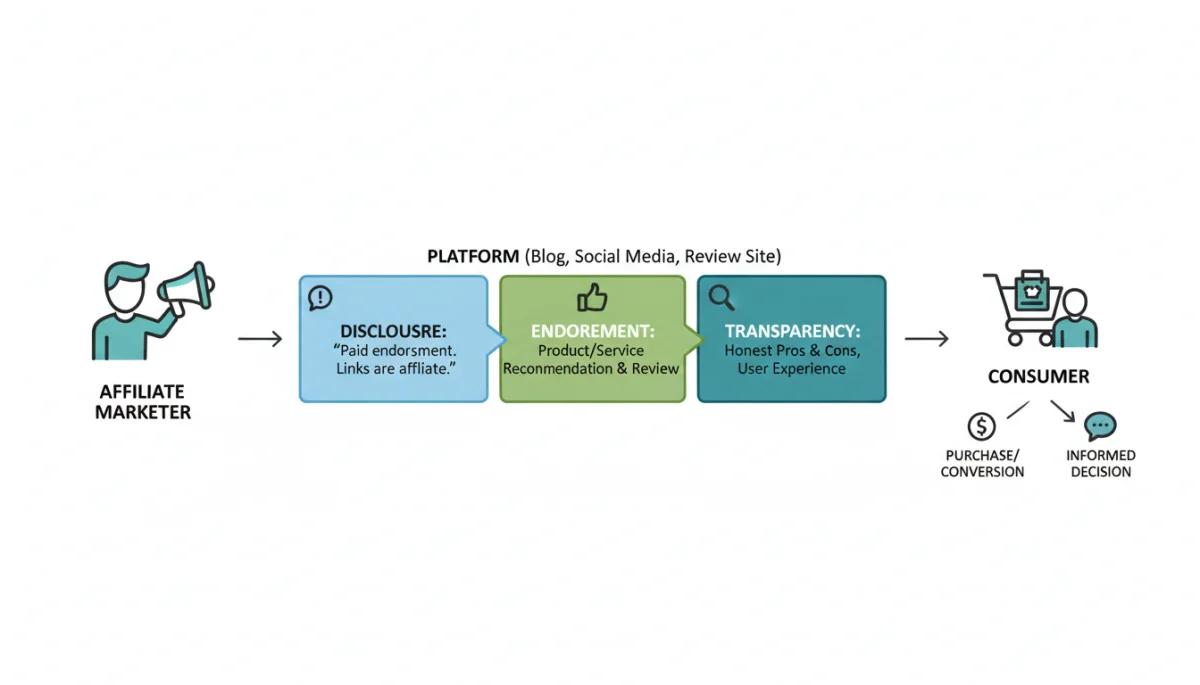
Affiliate marketing, by its very nature, involves endorsements. When an affiliate promotes a product or service, they are essentially endorsing it, and often, they receive compensation for doing so. The FTC mandates that this material connection be clearly and conspicuously disclosed to consumers. This principle forms the bedrock of most FTC regulations impacting affiliate marketers.
The Genesis of FTC Disclosure Rules
Consumer Protection: The primary goal is to ensure consumers are not misled by endorsements that appear to be independent when they are, in fact, paid promotions.
Transparency Mandate: Affiliates must be transparent about their relationships with advertisers. This isn’t optional; it’s a legal requirement.
Evolving Digital Platforms: As new platforms emerge, the FTC adapts its guidance to cover social media, video content, and emerging technologies.
The FTC regularly updates its guidance to address new forms of marketing and consumer interaction. For 2026, we anticipate continued emphasis on clarity, prominence, and the unambiguous nature of disclosures, particularly as AI-generated content and immersive experiences become more prevalent. Staying informed is the first step toward robust compliance.
The consequences of non-compliance can range from warning letters and reputational damage to substantial fines and legal action. Therefore, affiliate marketers must treat FTC guidelines not as mere suggestions but as stringent legal obligations that directly impact their business viability and long-term success. Ignoring these regulations is a gamble no serious marketer should take.
Key Disclosure Requirements in 2026: What’s New?
The foundation of FTC compliance for affiliate marketers rests heavily on clear and conspicuous disclosures. In 2026, while the core principles remain, there’s an increased focus on how these disclosures are presented across diverse digital formats, especially with the rise of new media and interactive content.
The FTC’s emphasis is squarely on ensuring that consumers unequivocally understand when they are viewing an advertisement or an endorsed piece of content. This means moving beyond boilerplate disclaimers to disclosures that are impossible to miss, regardless of the platform or device being used.
Prominence and Clarity of Disclosures
Above the Fold: Disclosures should ideally be visible without scrolling on web pages or mobile views.
Auditory and Visual: For video and audio content, disclosures must be both spoken and, if applicable, displayed visually for a sufficient duration.
Simple Language: Avoid legal jargon. Use straightforward terms like “Ad,” “Sponsored,” or “#affiliate” that are easily understood by the average consumer.
One significant area of focus for 2026 is the integration of disclosures within interactive and immersive digital experiences. As virtual reality and augmented reality gain traction, affiliate marketers operating within these spaces will need to innovate how they present disclosures to maintain visibility and impact without disrupting user experience too heavily. It’s a delicate balance between compliance and user engagement.
Furthermore, the FTC continues to scrutinize the placement of disclosures. Hiding a disclosure in a footer, a terms and conditions page, or a tiny link is insufficient. The disclosure must be proximate to the endorsement and clearly associated with the content it pertains to. This means if you’re reviewing a product, the disclosure should be right there, next to the review, not buried elsewhere on the page.
Another evolving aspect is the responsibility of the affiliate marketer to ensure that their disclosures are effective for the specific audience and platform. What works on a blog post might not be sufficient for a short-form video on a social media platform. Marketers must actively consider their audience’s likely perception and adjust their disclosure strategies accordingly.
Best Practices for Implementing FTC-Compliant Disclosures
Implementing effective disclosures is not just about meeting legal requirements; it’s about building and maintaining trust with your audience. Best practices go beyond the mere letter of the law, aiming for maximum transparency and clarity in all affiliate marketing endeavors.
A proactive approach to disclosure ensures that you are always on the right side of the FTC and, more importantly, fosters a loyal and engaged community around your brand. Consumers appreciate honesty, and clear disclosures reinforce your credibility.
Practical Disclosure Strategies
Consistent Placement: Always place disclosures near the beginning of your content, whether it’s a blog post, video, or social media update.
Multiple Formats: For videos, use both on-screen text and verbal disclosures. For podcasts, a verbal disclosure at the start and end is recommended.
Persistent Visibility: On platforms with continuous scrolling, ensure disclosures are repeated or remain visible as the user engages with your content.
Beyond the technical aspects of placement and format, the language used in disclosures is paramount. It should be unambiguous and easy for anyone to understand. Avoid obscure hashtags or acronyms that the average consumer might not immediately associate with a paid endorsement. Phrases like “I get a commission if you buy through my link” are far more effective than vague statements.
Regular auditing of your content is another critical best practice. As platforms evolve and FTC guidance is updated, what was compliant yesterday might not be today. Schedule periodic reviews of your existing content to ensure all disclosures remain prominent, clear, and effective. This continuous improvement mindset is key to long-term compliance.
Training your team, if you have one, on FTC compliance is equally important. Every individual involved in content creation and promotion must understand their responsibilities regarding disclosures. A single oversight can lead to significant issues, so consistent education and awareness are vital across the board for any affiliate marketing operation.
Navigating Endorsement Guidelines for Products and Services
Endorsements are at the core of affiliate marketing, and the FTC has specific guidelines to ensure they are truthful and not misleading. For 2026, these guidelines continue to emphasize the marketer’s genuine experience with the product or service being promoted.
An endorsement must reflect the honest opinions, findings, beliefs, or experience of the endorser. If the endorser makes claims about a product, they must have a reasonable basis for those claims. This means you can’t just repeat marketing copy; you must have genuinely used and experienced the product or service.
Truthful Representation in Endorsements
Genuine Experience: Only endorse products or services you have personally used and genuinely believe in.
Substantiation of Claims: Any claims made about performance or efficacy must be backed by evidence.
Typical Results: If your results are atypical, you must disclose what the average consumer can expect, not just your exceptional outcome.
The FTC is particularly vigilant about testimonials and reviews. If you are presenting a testimonial, it must accurately reflect the experience of the individual providing it. Furthermore, if you are compensated for collecting or publishing testimonials, this material connection must also be disclosed. The goal is to prevent consumers from being swayed by manufactured or exaggerated positive feedback.
It’s also crucial to remember that your responsibility doesn’t end with your own actions. As an affiliate marketer, you are also responsible for monitoring the claims made by the merchants or advertisers you partner with. If a merchant makes unsubstantiated claims, and you promote those claims, you could also be held liable. Due diligence is therefore a critical component of ethical endorsement practices.
As digital content becomes more sophisticated, so too does the potential for subtle, implicit endorsements. The FTC expects marketers to consider the overall impression their content creates. Even if you don’t explicitly say “I recommend this product,” if your content strongly implies it through visual cues, tone, or context, it could still be considered an endorsement requiring disclosure.
Avoiding Deceptive Practices and Misleading Claims
Beyond disclosures, the FTC also has strict rules against deceptive practices and misleading claims in advertising. Affiliate marketers must ensure their promotional content is accurate, truthful, and doesn’t create false impressions about products or services.
This area of compliance is about more than just what you say; it’s also about what you imply and what you omit. Deception can occur not only through direct falsehoods but also through omissions of material facts that could influence a consumer’s purchasing decision.
Common Pitfalls to Avoid
Exaggerated Results: Do not promise guaranteed outcomes or results that are not typical for the average user.
False Urgency: Avoid creating a false sense of scarcity or limited-time offers if they are not genuinely true.
Hidden Fees: Ensure that all costs, including shipping, taxes, and recurring subscription fees, are clearly stated.
The FTC is increasingly focused on automated systems and artificial intelligence in marketing. If AI is used to generate product descriptions, reviews, or promotional copy, marketers are still fully responsible for the accuracy and non-deceptive nature of that content. The use of AI does not absolve you of your legal obligations regarding truth in advertising.
Another area of concern is the use of consumer data. While not strictly an endorsement issue, how affiliate marketers collect, use, and protect consumer data can fall under FTC scrutiny if practices are deceptive or unfair. Ensure your data handling practices are transparent and comply with privacy regulations.
Ultimately, the best way to avoid deceptive practices is to adopt a consumer-first mindset. Ask yourself: Is this information clear, complete, and honest from the perspective of someone who knows nothing about the product? If there’s any doubt, err on the side of caution and provide more information or clarify your claims. This approach minimizes risk and builds long-term consumer trust.
Staying Up-to-Date: Resources and Continuous Learning
The digital landscape and regulatory environment are constantly shifting, making continuous learning an indispensable part of an affiliate marketer’s strategy. Staying informed about the latest FTC guidelines isn’t a one-time task but an ongoing commitment.
The FTC itself provides a wealth of resources that are freely available and regularly updated. These resources are the most authoritative source of information and should be your primary reference points for understanding compliance requirements.
Essential Resources for Affiliate Marketers
FTC Endorsement Guides: Regularly review the “Guides Concerning the Use of Endorsements and Testimonials in Advertising.”
FTC Business Blog: Subscribe to the FTC’s business blog for updates, case studies, and enforcement actions.
Legal Counsel: Consider consulting with legal professionals specializing in advertising and consumer protection law for personalized advice.
Beyond official FTC channels, reputable industry publications, legal news outlets, and specialized compliance webinars can also provide valuable insights. Look for sources that offer analyses of recent enforcement actions or discussions on emerging regulatory trends, particularly those relevant to digital marketing and affiliate models. These insights can help you anticipate future changes and proactively adjust your strategies.
Participating in professional communities and forums where affiliate marketers discuss compliance challenges can also be beneficial. Sharing experiences and learning from peers can provide practical solutions and alert you to common pitfalls. However, always cross-reference information with official FTC guidance to ensure accuracy.
Finally, allocate dedicated time in your business operations for compliance review. This could be a monthly check-in or an annual comprehensive audit. Treating compliance as an integral operational task, rather than an afterthought, positions you for long-term success and minimizes the risk of costly errors. Proactive engagement with regulatory changes is a hallmark of a responsible and sustainable affiliate marketing business.
Future-Proofing Your Affiliate Marketing Strategy
In an environment where regulations are constantly evolving, future-proofing your affiliate marketing strategy is about building resilience and adaptability into your operations. It involves anticipating changes and adopting practices that transcend current requirements, setting you up for sustained success.
The core principle of future-proofing lies in prioritizing transparency, ethics, and consumer trust above all else. These are timeless values that will always align with regulatory objectives, regardless of how specific rules might change.
Strategies for Long-Term Compliance
Adopt a “Transparency First” Mindset: Always err on the side of over-disclosing rather than under-disclosing.
Diversify Your Content: While affiliate content is valuable, also create non-monetized content to build genuine audience relationships.
Invest in Education: Continuously educate yourself and your team on ethical marketing and regulatory changes.
One key aspect of future-proofing is to build direct relationships with your audience, independent of any single platform or affiliate program. This creates a more stable foundation for your business, as it makes you less vulnerable to sudden platform policy changes or shifts in advertiser relationships. A strong, engaged audience values your recommendations because they trust you, not just because of a click.
Embracing new technologies with a critical eye is also vital. As AI and other advanced tools become more integrated into marketing, understand their capabilities and limitations in the context of compliance. Ensure that any automated content generation or targeting still adheres to FTC principles of truthfulness and non-deception. Technology should enhance, not compromise, your ethical standards.
Ultimately, the most robust future-proofing strategy is to operate with integrity. Businesses built on ethical foundations and genuine value proposition are inherently more resilient to regulatory shifts. By consistently prioritizing your audience’s best interests and adhering to the spirit, not just the letter, of the law, you create a sustainable and highly respected affiliate marketing enterprise.
Key Point
Brief Description
Disclosure Clarity
Ensure all material connections are clearly and conspicuously disclosed across all content formats.
Genuine Endorsements
Endorsements must reflect honest opinions and genuine user experience with products or services.
Avoid Deceptive Claims
All promotional content must be truthful, accurate, and avoid misleading statements or omissions.
Continuous Learning
Stay updated with FTC guidance and industry best practices to adapt to evolving regulations.
Frequently Asked Questions About FTC Guidelines for Affiliate Marketers
What exactly is a “material connection” according to the FTC?▼
A material connection is any relationship between an endorser and an advertiser that might affect the weight or credibility of the endorsement. This includes monetary payments, free products, discounts, or any other benefits received in exchange for promotion.
Do I need to disclose my affiliate relationship on every single post?▼
Yes, if a post contains an affiliate link or an endorsement for which you receive compensation, a clear and conspicuous disclosure is required for that specific piece of content. General disclosures on an “About Us” page are usually insufficient.
Are hashtags like #ad or #sponsored sufficient for disclosure?▼
While #ad or #sponsored can be sufficient, they must be prominent and easily noticeable. The FTC prefers clear language. Placement at the very beginning of a post or video description is ideal to ensure consumers see it immediately.
What are the potential penalties for non-compliance with FTC guidelines?▼
Penalties can include warning letters, administrative orders requiring specific actions, monetary fines that can be substantial per violation, and even civil lawsuits. Non-compliance can also severely damage your reputation and brand trust.
Does the FTC’s guidance apply to affiliate marketers outside the U.S.?▼
The FTC’s authority generally extends to practices that affect U.S. consumers, regardless of where the marketer is located. If your affiliate marketing targets or impacts U.S. audiences, you should adhere to FTC guidelines.
Conclusion
Navigating the Latest FTC Guidelines for Affiliate Marketers in 2026: A Practical Compliance Guide underscores the critical importance of transparency and ethical conduct in the digital marketing realm. As the landscape continues its rapid evolution, staying informed and proactive in adopting best practices for disclosures and endorsements is not merely a legal obligation, but a fundamental strategy for building lasting trust with your audience. Embracing a “transparency first” approach will not only safeguard your business from potential penalties but also foster a reputable and sustainable affiliate marketing career. Your commitment to compliance today is an investment in your success tomorrow.
A journalism student and passionate about communication, she has been working as a content intern for 1 year and 3 months, producing creative and informative texts about decoration and construction. With an eye for detail and a focus on the reader, she writes with ease and clarity to help the public make more informed decisions in their daily lives.